10 Ways to Keep Your Kids Learning this Summer
Summer is a welcome break from packed schedules, homework, and early mornings—but learning doesn’t have to take a vacation. In fact, the summer months are a perfect opportunity to nurture curiosity in ways that feel natural, playful, and even a little adventurous.
Here are 10 practical, low-stress ways parents can keep young minds growing all summer long:

1. Make Reading a Daily Habit (Without Making It a Chore)
Set aside 15–20 minutes a day for reading. Let your child pick books that interest them—even if it’s the same one over and over again. Trips to the library can feel like mini field trips and give kids ownership of their learning.
2. Turn Everyday Moments into Learning Opportunities
Cooking becomes math (measuring, counting), grocery shopping becomes problem-solving (budgeting, comparing prices), and road trips turn into geography lessons. Learning is everywhere—you just have to point it out.
3. Create a Simple Summer Routine
Kids thrive on structure, even in summer. A loose daily rhythm that includes reading time, outdoor play, creative activities, and rest helps maintain balance without feeling rigid.
4. Get Outside and Explore Nature
Nature is one of the best classrooms. Go on walks, visit parks, or explore trails. Talk about plants, animals, weather, and seasons. Encourage kids to ask questions and observe the world around them.
5. Keep Writing Fun and Low Pressure
Journals, postcards to family, drawing stories, or even making comic books can help kids practice writing skills without the pressure of “schoolwork.”
6. Use Educational Games and Puzzles
Board games, card games, and puzzles help build critical thinking, memory, and problem-solving skills. Even simple games can reinforce math, reading, and logic.
7. Encourage Creativity Through Projects
Arts and crafts, building projects, music, or imaginative play all develop creativity and confidence. Give kids space (and a few supplies) and let their imagination lead.
8. Limit Passive Screen Time (and Choose Quality When You Do)
Not all screen time is bad—but balance is key. Opt for interactive or educational content when possible, and prioritize hands-on, real-world experiences.
9. Set Small, Achievable Goals
Whether it’s finishing a book series, learning to ride a bike, or mastering basic math facts, small goals keep kids motivated and give them a sense of accomplishment.
10. Make Learning Relational, Not Just Educational
The biggest impact often comes from time spent together. Conversations, shared experiences, and exploring new things as a family build both knowledge and connection.
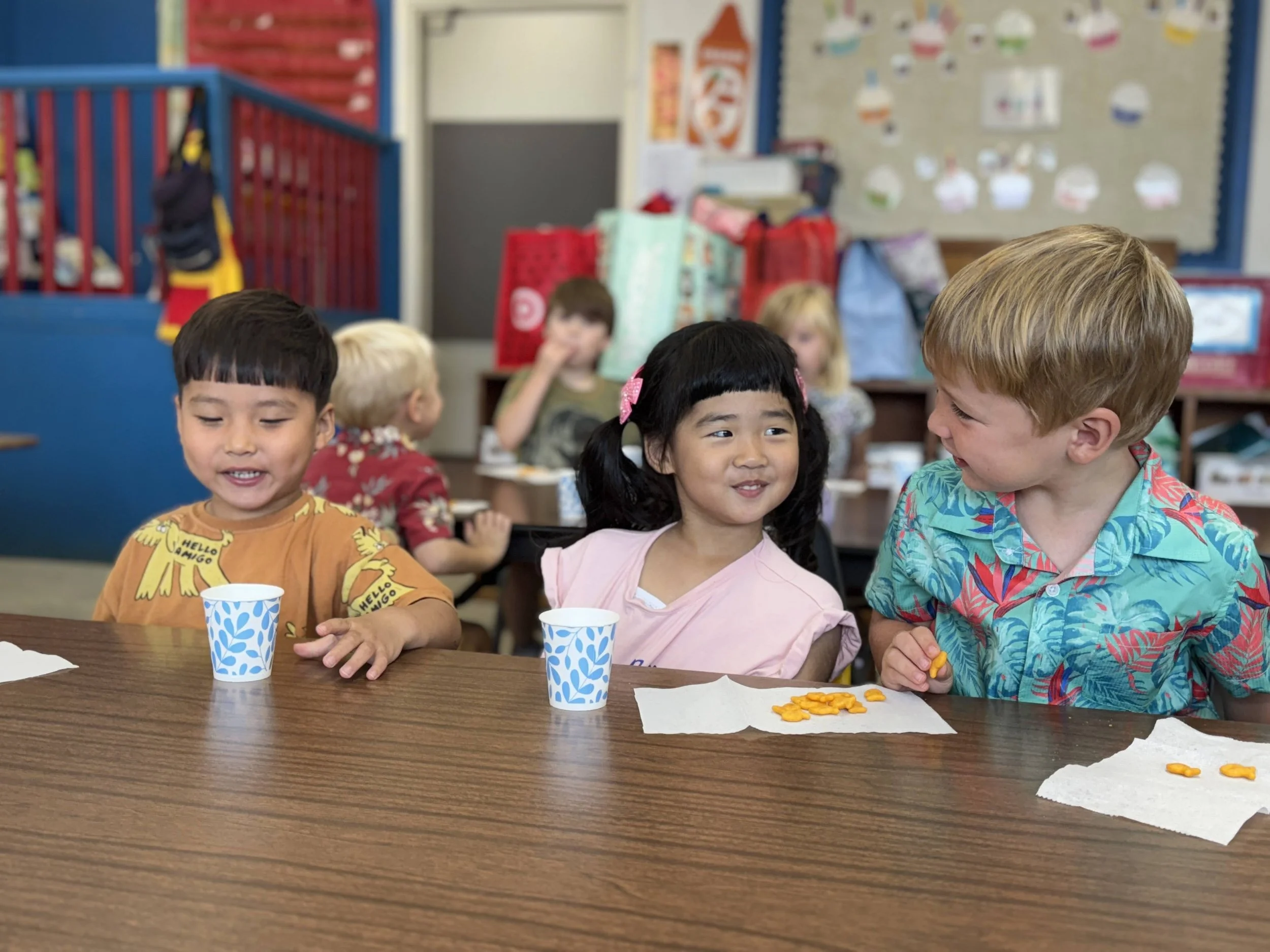
Summer learning doesn’t need to look like school—it shouldn’t. When kids stay curious, engaged, and supported, they return to the classroom more confident and ready to grow.
If you keep it simple, consistent, and fun, you’ll do more than prevent the “summer slide”—you’ll help your child discover that learning is something they can enjoy all year long.