Learning Together, Growing Together: The Strength of Multi-Age Classrooms
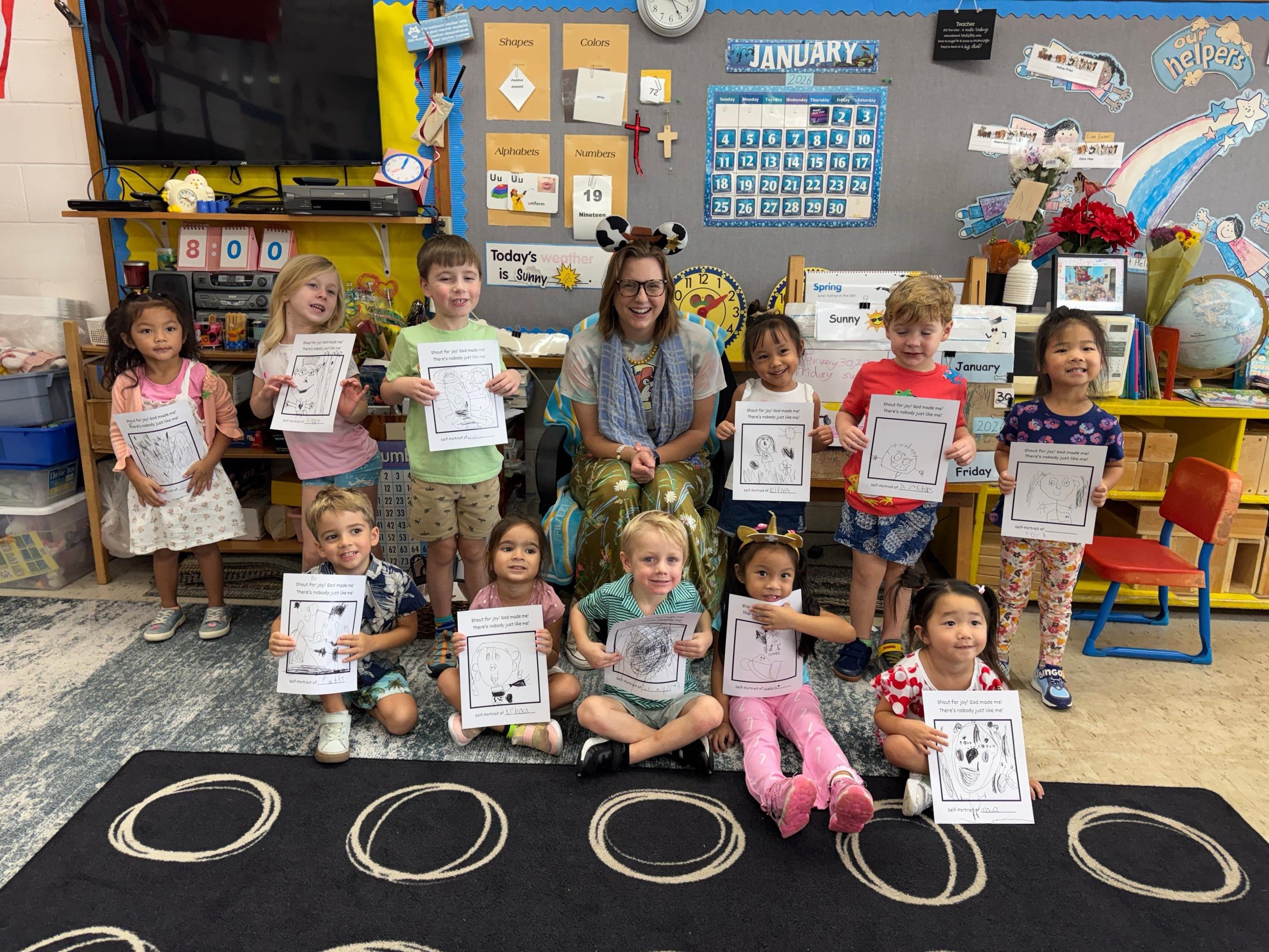
One of the most beautiful things about a school community is that students do not all grow in the same way, at the same pace, or on the same timeline. Every child brings different strengths, questions, experiences, and gifts into the classroom. Multi-age classrooms honor that truth by creating learning environments where students of different ages and grade levels learn together, support one another, and grow as a community.
In a traditional single-grade classroom, students are often grouped mostly by age. In a multi-age classroom, students from more than one grade level are intentionally placed together. This creates a more flexible, family-like learning environment where children can learn from the teacher, from the curriculum, and from one another. Research summaries define multi-age education as placing students from different age groups or year levels together in one classroom, often with an emphasis on personalized learning, flexible grouping, collaboration, and student growth over time.
One major benefit of multi-age classrooms is individualized instruction. Students are not limited by the expectations of one grade level. A child who is ready for a greater challenge can move ahead, while a child who needs more support can receive it without feeling “behind.” The classroom becomes less about comparison and more about growth. A Queensland Curriculum & Assessment Authority research summary notes that multi-age settings can support personalized instruction, student ownership of learning, and academic growth by allowing students to learn at their own pace.
Multi-age classrooms also create natural opportunities for peer learning. Younger students benefit from seeing older students model skills, habits, and confidence. Older students strengthen their own understanding by helping explain ideas to younger classmates. This is powerful because teaching someone else often deepens a student’s own learning. The Education Endowment Foundation reports that peer tutoring has a positive impact on both tutors and tutees, with an average effect equivalent to about six additional months of academic progress within one school year.
This kind of learning does not happen by accident. It works best when teachers carefully structure activities, guide student partnerships, and train students to give helpful feedback. When done well, multi-age classrooms encourage students to become active participants in learning rather than passive listeners. They learn to ask questions, explain their thinking, listen carefully, and help one another succeed.
Another strength of multi-age classrooms is the development of leadership and responsibility. Older students often rise to the occasion when younger students look up to them. They begin to see themselves as helpers, encouragers, and examples. Younger students, in turn, gain confidence as they learn from peers who are just a little further along. Research reviewed by ERIC found consistent reports that students in multi-age classrooms showed benefits in social-emotional development, including more positive attitudes toward school, greater leadership skills, higher self-esteem, more pro-social behavior, and fewer aggressive behaviors compared with students in traditional graded classrooms.
Multi-age classrooms can also strengthen community. Students learn that everyone has something to contribute. A younger child may be advanced in reading. An older child may still be growing in math. One student may be a strong writer, while another may be a natural encourager or problem-solver. This helps children understand that learning is not a race. It is a shared journey.
That community-centered approach also supports social and emotional growth. In a large meta-analysis of 213 school-based social and emotional learning programs involving 270,034 students, researchers found that students who participated in SEL programs showed improved social-emotional skills, attitudes, behavior, and academic performance, including an 11-percentile-point gain in achievement compared with control groups. While multi-age classrooms are not the same thing as formal SEL programs, they naturally create many of the conditions that help students practice empathy, cooperation, patience, leadership, and responsibility.
Collaborative learning is another important part of multi-age education. Students often work in small groups, with different children contributing different skills. The Education Endowment Foundation reports that collaborative learning approaches have a consistently positive impact, with students making an average of five additional months of progress over an academic year when collaboration is well structured. This supports what many teachers see every day: students often learn deeply when they are able to talk through ideas, solve problems together, and explain their thinking to others.
For Christian education, multi-age classrooms also reflect something deeply biblical: we are called to live, learn, and serve in community. Students are given daily opportunities to practice patience, kindness, humility, encouragement, and service. Older students can learn servant leadership. Younger students can experience care and guidance. Teachers can shape a classroom culture where academic growth and Christlike character grow side by side.
It is important to be honest that multi-age classrooms require thoughtful planning. Research does not suggest that simply mixing ages automatically improves achievement. In fact, reviews of multi-age education have found mixed academic results, with some studies favoring multi-age classrooms, some favoring single-age classrooms, and many showing no major academic difference. The difference comes from how the classroom is designed. Strong multi-age classrooms need skilled teachers, clear expectations, flexible grouping, purposeful peer learning, and strong communication with families.
When those pieces are in place, multi-age classrooms can be a powerful way to serve students well. They allow children to be known more personally. They create room for leadership, mentoring, confidence, collaboration, and individualized growth. They help students see one another not as competition, but as classmates, neighbors, and fellow image-bearers of God.
At our school, we believe education is not only about completing assignments or moving from one grade to the next. It is about helping each child grow in wisdom, knowledge, character, faith, and service. Multi-age classrooms give us a meaningful way to do that. They remind us that students flourish when they are seen, supported, challenged, and loved.
In a multi-age classroom, students are not just learning beside one another.
They are learning from one another.
And that kind of community can make a lasting difference.